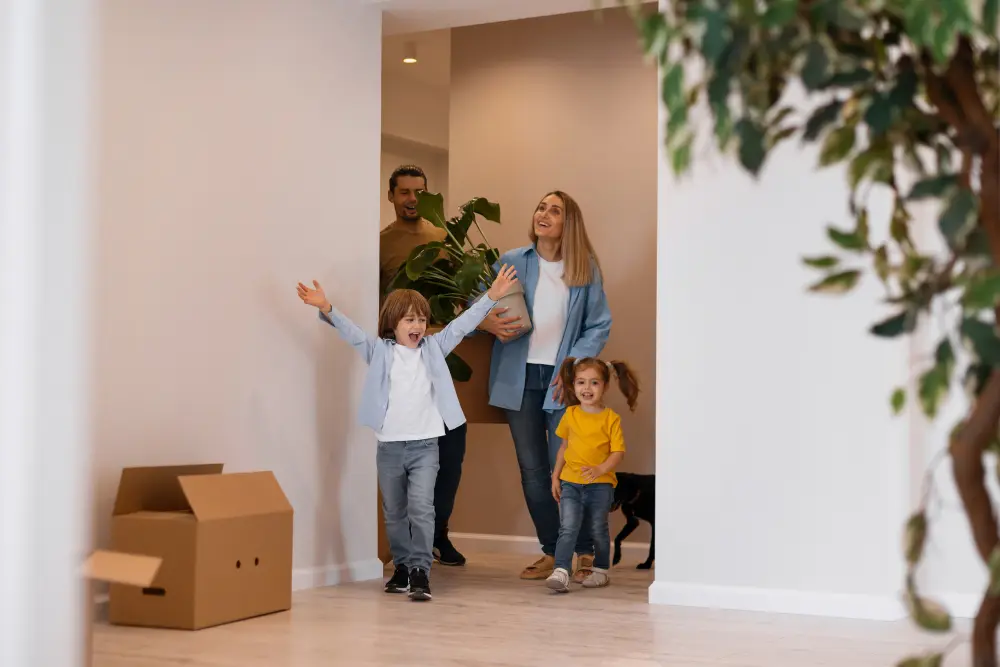
Owning your own home is often considered a "milestone" because it changes your relationship with the space you live in. While renting provides shelter, ownership provides autonomy. Here is why owning a home is widely seen as so important, from both a logical and emotional perspective.
1. Financial Stability and Wealth Creation
This is the most practical reason — and arguably the most powerful.
Equity Building
When you pay rent, that money is gone. When you pay a mortgage, you are essentially "paying yourself" — a portion of your payment goes toward principal, building equity (ownership percentage) in the property. Every month, you own a little more of your home. Over 15-30 years, this builds into a significant asset.
Asset Appreciation
Historically, real estate tends to appreciate in value over the long term. This turns your home into a forced savings account and a potential hedge against inflation. In growing Indian cities like Chennai and Bengaluru, property values have consistently outpaced inflation over 10-15 year periods.
Fixed Housing Costs
While property taxes and insurance can rise, a fixed-rate mortgage ensures your primary housing cost remains stable for 15, 20, or 30 years. This protects you from the rising rents of a changing market. A tenant paying ₹20,000/month today could be paying ₹50,000/month in 10 years. An owner's EMI stays the same.
2. Autonomy and Personal Freedom
This is the "your house, your rules" factor — and it matters more than most people realize.
Customization
When you own, you can paint walls, renovate kitchens, knock down non-load-bearing walls, or install custom landscaping without asking a landlord. You can truly make the space reflect your personality. Want a pooja room? A home office? A garden? It's your decision.
Stability of Tenancy
You cannot be given "notice to vacate" by a landlord who decides to sell the property or raise the rent significantly. This provides a level of certainty that is crucial for families, children in school, and long-term planning. No more packing up your life every two years.
Sense of Responsibility
There is a unique psychological satisfaction that comes from being the person who maintains, protects, and improves the structure. It fosters a deeper sense of pride and stewardship — your home is not just where you live, it is something you actively care for.
3. Psychological Security
The Safety Net
Having a place that is legally yours provides an unparalleled sense of security. It is a "home base" that cannot be taken away as long as you meet your financial obligations. This security extends to your family — your children grow up knowing they have a place to return to.
Community Rootedness
Homeowners are statistically more likely to stay in one place for longer periods. This allows you to build deeper relationships with neighbors, join local community groups, and contribute to the long-term character of your neighborhood. You become a stakeholder, not just a resident.
4. Legacy and Estate
Generational Wealth
For many, the ultimate goal of owning a home is the ability to pass it on to the next generation. It can be a significant head start for your children or a way to ensure your family has a stable roof over their heads long after you are gone. In India, a family home is often the single largest inheritance asset.
Owning a home is not just about having a place to sleep. It is about building something lasting — for yourself and for those who come after you.
Frequently Asked Questions
Q: Is it better to rent or buy in the current market?
A: It depends on your city, timeline, and financial situation. If you plan to stay in one place for 7+ years, buying almost always makes more financial sense. For shorter periods, renting may be more flexible. But the non-financial benefits of ownership — stability, autonomy, legacy — are harder to quantify and often underestimated.
Q: How much down payment do I need to buy a house?
A: In India, most banks require 10-20% of the property value as a down payment. For a ₹50 lakh home, that means ₹5-10 lakhs upfront. The rest can be financed through a home loan.
Q: Can I build my own house instead of buying an apartment?
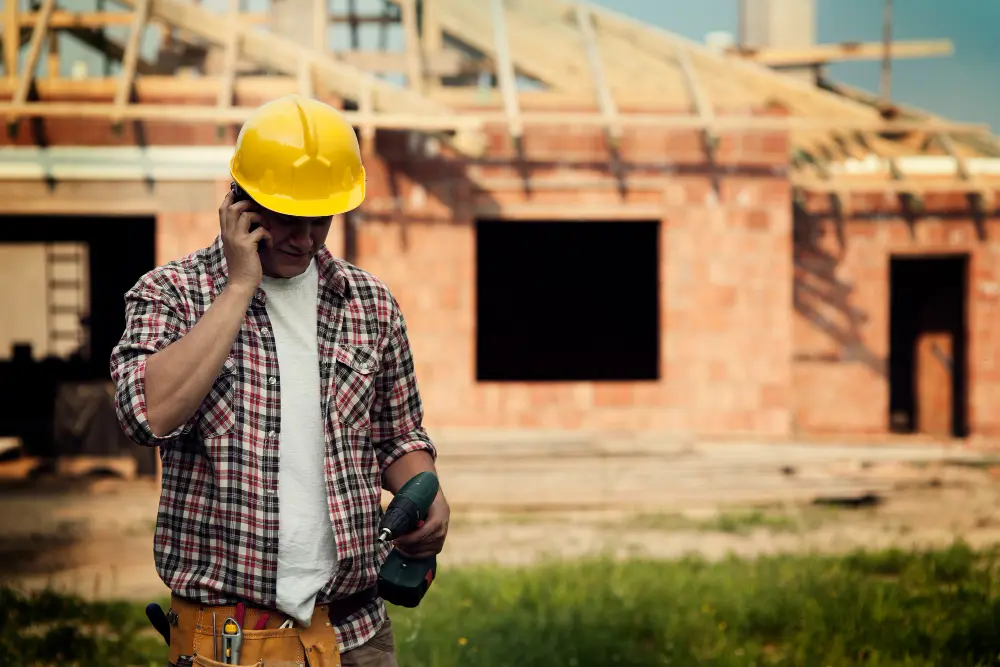
A: Absolutely. Building your own home gives you complete control over design, materials, and quality. At Vaibhav Prasad Homes, we specialize in exactly this — transparent, documented construction that gives you the home you want, built the way it should be.
Ready to Own Your Home?
Whether you are buying or building, the first step is understanding your options. Talk to us — we will help you make the right decision for your family.